Sinus Surgery Explained: Essential Facts Before Your Appointment with a Sinus Doctor
Sinus problems can make everyday life feel like a struggle, from constant congestion to severe headaches. For those dealing with chronic sinus issues, the idea of surgery might seem daunting but necessary. If you’ve tried medications, nasal sprays, and other treatments without success, sinus surgery could offer lasting relief. Before you head to see a sinus doctor, it’s essential to understand what sinus surgery involves, why it might be needed, and how you can prepare for it.
In this guide, we’ll walk you through everything you need to know about sinus surgery, from the types of surgery available to what to expect during recovery. Let’s dive in!
What is Sinus Surgery?
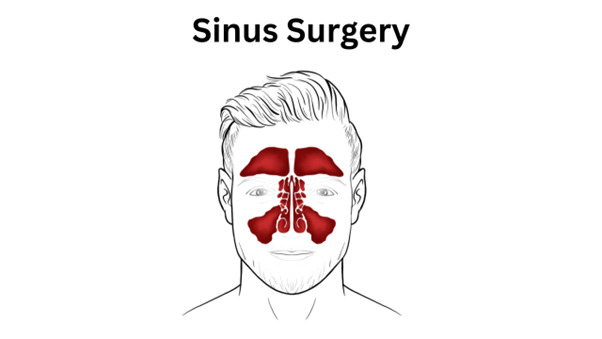
Sinus surgery is a procedure aimed at improving the drainage of the sinuses to alleviate chronic infections, congestion, or breathing problems. The sinuses are air-filled spaces in your skull behind the forehead, cheeks, and eyes. When these spaces become blocked due to inflammation, nasal polyps, or other structural issues, it can lead to persistent sinus infections.
The primary goal of sinus surgery is to open up the blocked sinus pathways, allowing mucus to drain properly. This helps to reduce the frequency and severity of sinus infections and improve overall breathing.
Why Might Someone Need Sinus Surgery?

Not everyone with sinus issues will require surgery. Sinus surgery is typically considered when other treatments, such as antibiotics, nasal sprays, or steroid medications, fail to provide relief.
Indications for Sinus Surgery
- Chronic Sinusitis: If you’ve experienced recurring or long-lasting sinus infections (typically lasting more than 12 weeks) and other treatments haven’t worked, surgery may be needed.
- Nasal Polyps: These are noncancerous growths in the lining of your nasal passages that can block airflow and lead to chronic infections. Removing them through surgery can restore normal breathing.
- Deviated Septum: This structural issue can cause one nostril to be more narrow than the other, resulting in breathing difficulties and frequent infections. Surgery to correct this can significantly improve airflow.
- Fungal or Bacterial Infections: In severe cases where infections spread to the bones or tissues, surgery might be required to remove infected tissue and prevent further complications.
Expected Benefits
Patients who undergo sinus surgery often report improved breathing, fewer sinus infections, and a better quality of life. The surgery can significantly reduce symptoms like facial pain, nasal congestion, and pressure headaches.
Types of Sinus Surgery
There are several types of sinus surgery available, depending on the severity of the condition and the specific issues being addressed. Each procedure has its advantages and is chosen based on your unique needs.
Functional Endoscopic Sinus Surgery (FESS)
One of the most common and minimally invasive procedures is Functional Endoscopic Sinus Surgery (FESS). This procedure uses an endoscope, a thin tube with a camera, to guide the surgeon in removing obstructions like polyps or inflamed tissue from the sinuses. Because it doesn’t require large incisions, FESS typically results in less pain and faster recovery.
This surgery is often recommended for chronic sinusitis that doesn’t respond to medications or when there are structural blockages preventing drainage.
Balloon Sinuplasty
For less severe cases of sinus blockage, Balloon Sinuplasty is an option. This non-invasive procedure uses a small balloon catheter inserted into the sinus passages. When the balloon is inflated, it gently widens the blocked sinuses, allowing mucus to drain more effectively. It’s a quick procedure with minimal discomfort and downtime, making it suitable for patients with mild-to-moderate sinusitis.
Septoplasty
Septoplasty is a surgical procedure designed to correct a deviated septum. The septum consists of cartilage and bone that separates the nasal cavity into two nostrils. When this is off-center, it can block one or both nostrils, leading to difficulty breathing and an increased risk of sinus infections. Septoplasty straightens the septum, improving airflow and reducing the chance of future infections.
Other Surgical Options
Though rare, more invasive procedures like the Caldwell-Luc operation might be required in extreme cases where there is infection deep within the maxillary sinuses. This procedure is usually a last resort for chronic infections that haven’t responded to less invasive surgeries.
How to Prepare for Sinus Surgery
If your sinus doctor has recommended surgery, there are a few steps you’ll need to take beforehand to ensure everything goes smoothly.
Consultation and Testing
Before surgery, your ENT specialist will conduct a detailed assessment, which may include imaging tests like a CT scan to get a better view of your sinuses and understand the root cause of your issues. During the consultation, the doctor will also review your medical history and discuss any potential risks or complications associated with the surgery.
Pre-Surgery Instructions
- Medication Adjustments: You may be advised to stop taking certain medications, especially blood thinners, before the surgery to reduce the risk of bleeding.
- Fasting: If you’re undergoing general anaesthesia, you’ll likely be asked to fast the night before the surgery.
- Post-Surgery Arrangements: Because general anaesthesia is commonly used, you’ll need someone to drive you home and assist with any post-operative care during the initial recovery period.
The Sinus Surgery Procedure: What to Expect

Sinus surgery is usually performed on an outpatient basis, meaning you can go home the same day. Here’s what you can expect during the procedure.
Anaesthesia
In most cases, sinus surgery is done under general anaesthesia, so you’ll be asleep during the procedure. In some instances, local anaesthesia may be used, where the area is numbed, but you remain awake.
Surgical Steps
- Endoscope Insertion (For FESS): A small endoscope is inserted through the nostrils to view the sinuses. The surgeon then removes any blockages or tissue causing the problem.
- Balloon Inflation (For Balloon Sinuplasty): In Balloon Sinuplasty, a small balloon catheter is placed into the blocked sinus, inflated to widen the passage, and then removed.
- Duration: Sinus surgery typically takes 1 to 3 hours, depending on the complexity of the procedure.
Post-Surgery
After the surgery, you’ll be monitored for a short time to ensure you’re recovering from the anaesthesia. You may experience some nasal congestion, minor bleeding, or discomfort for a few days, but this is normal.
Risks and Complications of Sinus Surgery
While sinus surgery is generally safe, like any surgery, it carries some risks.
Common Risks
- Infection: As with any surgery, there’s a small risk of infection after the procedure.
- Bleeding: Some bleeding is normal after sinus surgery, but excessive bleeding is rare.
- Scarring: Although minimal, there is always a risk of scarring in the nasal passages.
Rare Complications
In rare cases, complications may include injury to the surrounding structures such as the eyes or brain. This could result in temporary or permanent loss of smell, vision problems, or, very rarely, brain fluid leakage. These risks are extremely low and usually associated with more invasive surgeries.
Recovery and Post-Surgery Care
The recovery process after sinus surgery is straightforward but requires care to ensure proper healing.
Initial Recovery
In the days following surgery, you’ll need to rest and avoid strenuous activity. Keeping your head elevated will help reduce swelling, and your doctor may provide saline sprays to keep your nasal passages moist. You might also be given nasal packing or dressings to help control bleeding.
Long-Term Care
It’s crucial to follow your doctor’s instructions during recovery. Avoid blowing your nose or doing anything that could increase pressure in the sinuses. Most people can return to normal activities within a week or two, but it’s essential to attend follow-up visits to ensure proper healing.
Conclusion
Sinus surgery can be a life-changing option for those struggling with chronic sinus issues. With various surgical options available, from minimally invasive procedures like FESS and Balloon Sinuplasty to more traditional surgeries, a sinus doctor can help determine the best course of action based on your specific needs. By understanding the types of surgery, the preparation involved, and the recovery process, you can approach sinus surgery with confidence and look forward to breathing easier and enjoying a better quality of life.
If you’re considering sinus surgery, don’t hesitate to consult a sinusitis specialist to discuss your symptoms and explore the best treatment options available.