September 2025

What Makes an ENT Clinic Different from a General Ear Nose Throat Clinic?
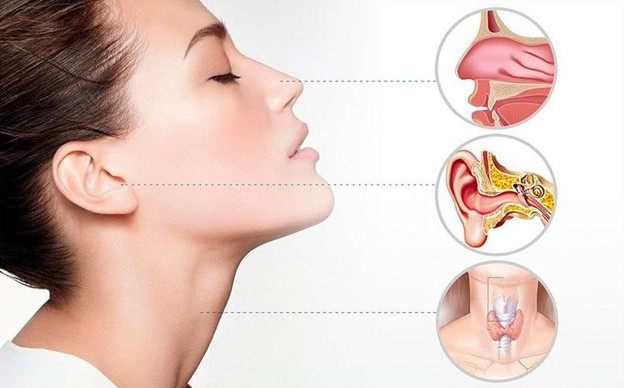
ENT Clinic vs General ENT Clinic What’s the Difference in Singapore

ENT Clinic vs General ENT Clinic: What’s the Difference in Singapore?

When you start experiencing persistent ear pain, nasal congestion, snoring, or a lingering sore throat, your first instinct might be to visit a doctor. But where should you go—your neighbourhood GP, a general ear, nose, and throat clinic, or a specialised ENT clinic?

While the terms “ENT clinic” and “general ear, nose, and throat clinic” are often used interchangeably, there are subtle but important differences between the two—particularly in the scope of care, expertise, equipment, and treatment options.

This blog article explores those differences in detail, helping you understand what sets a full-service ENT clinic apart, when you should seek one, and how these options affect your care in Singapore’s healthcare system.

Understanding ENT: The Basics

ENT stands for Ear, Nose, and Throat, also known as Otorhinolaryngology. It is a recognised medical specialty that deals with conditions affecting the ears, nose, throat, head, and neck. ENT specialists are medically trained doctors who complete postgraduate training in this area.

In Singapore, ENT specialists are board-certified and regulated by the Singapore Medical Council (SMC) and the Ministry of Health (MOH).

What Is a General Ear Nose Throat Clinic?

A general ear, nose, and throat clinic typically refers to a primary care or GP clinic that offers basic management of common ENT-related symptoms, such as:

  • Minor ear infections
  • Common colds or allergic rhinitis
  • Mild sore throats or coughs
  • Temporary voice hoarseness
  • Nasal congestion due to flu or allergy

General practitioners may manage these clinics with a keen interest in ENT conditions. While they are highly competent in dealing with acute or mild ENT issues, they are not specialists and often refer more complex or recurring problems to certified ENT doctors.

What Is an ENT Clinic?
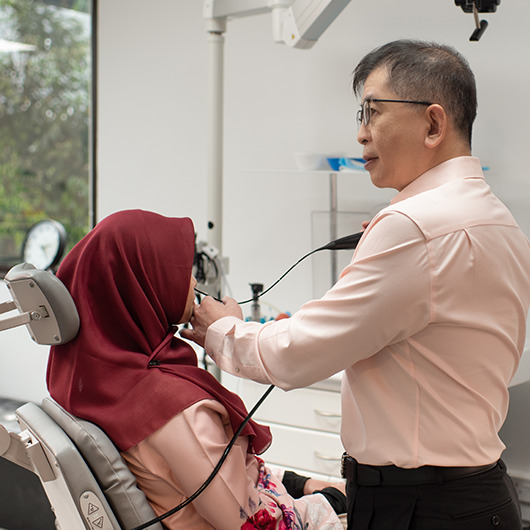
Understanding ENT The Basics

A specialised ENT clinic is a facility run by a qualified ENT specialist—a doctor who has completed years of medical training followed by specialised residency and advanced clinical experience in ENT surgery and medical management.

These clinics are equipped to manage a wide range of ENT conditions, from common problems to complex disorders requiring imaging, endoscopy, surgical intervention, and multidisciplinary support.

Key Differences Between an ENT Clinic and a General ENT Clinic

Let’s explore the main distinctions between the two types of clinics:

1. Level of Medical Expertise

General ENT Clinic

Managed by a general practitioner (GP)

Treats basic ENT symptoms

Refers complex cases to specialists

Specialised ENT Clinic

Led by an ENT specialist (Otolaryngologist)

Trained in surgical and complex ENT procedures

Handles advanced diagnostic and surgical care in-house

Explanation:
General ENT clinics are ideal for first-line care, but they typically refer you to an ENT specialist for anything beyond simple infections or temporary symptoms. ENT clinics, on the other hand, offer comprehensive diagnosis and treatment under one roof.

2. Diagnostic Tools and Equipment

General ENT Clinic

Basic otoscope and nasal torch

No access to endoscopy or audiometry

ENT Specialist Clinic

Advanced diagnostic tools such as:

Nasal endoscopy

  • Laryngoscopy
  • Pure tone audiometry
  • Tympanometry
  • Allergy testing
  • Imaging referrals (CT/MRI) 

Explanation:
ENT clinics are designed for in-depth evaluations. Tools like endoscopes allow doctors to view deep into the nasal cavity, larynx, and ear canal, which is impossible with basic equipment found in general clinics.

3. Scope of Conditions Treated

General ENT Clinic

  • Seasonal allergies
  • Colds and flu
  • Mild ear infections
  • Sore throats
  • Blocked nose from sinus congestion

ENT Specialist Clinic

  • Chronic sinusitis
  • Recurrent ear infections or perforated eardrums
  • Hearing loss or tinnitus
  • Snoring and sleep apnoea
  • Nasal polyps or deviated septum
  • Head and neck masses
  • Vocal cord nodules or voice disorders
  • Tonsil stones or tonsillitis
  • Balance or vertigo disorders

Explanation:
ENT clinics can handle complex, chronic, or structural conditions and even perform in-office procedures or surgeries in an outpatient setting.

4. Procedures and Treatments Available

General ENT Clinic

Prescribes medications only

No minor procedures

ENT Clinic

Offers medical, procedural, and surgical treatment

Provides services such as:

  • Earwax removal (microsuction)
  • Nasal cautery for nosebleeds
  • Nasal endoscopy
  • Removal of foreign objects
  • Hearing aid assessment and referrals
  • Allergy desensitisation
  • Minor ENT surgeries |

Explanation:
ENT clinics are multi-functional—they not only prescribe but can also perform diagnostic and therapeutic procedures. This results in faster diagnosis and treatment compared to being referred to multiple centres.

5. Referral and Coordination

General ENT Clinic

  • Refers patients to ENT specialists or hospitals for further care
  • Limited follow-up on referred cases

ENT Clinic

  • Manages care from start to finish
  • Coordinates with audiologists, speech therapists, and other specialists

Explanation:
ENT clinics offer a more coordinated approach—especially important for chronic cases like hearing loss, voice therapy, or sinus surgery follow-ups.

When Should You See a General ENT Clinic?

When Should You See a General ENT Clinic

It’s perfectly acceptable to visit a general ENT clinic for:

  • Short-term cold or flu symptoms
  • Mild sore throat
  • Occasional earache
  • Allergy-related sneezing or blocked nose
  • Initial assessment of minor issues

Your GP may provide symptom relief and advise if further evaluation by a specialist is necessary.

When Should You Go Straight to an ENT Clinic?

Seek an ENT specialist directly if you have:

  • Persistent nasal blockage (>3 weeks)
  • Recurrent sinus infections
  • Hearing loss or ongoing tinnitus
  • Frequent ear infections or ear discharge
  • Balance problems or vertigo
  • Snoring or suspected sleep apnoea
  • Lump in the neck or throat
  • Voice hoarseness lasting more than 2 weeks
  • Tonsil stones or repeated sore throats
  • Nosebleeds that don’t resolve
  • Unexplained facial pain or pressure

You can also consider a direct visit if your condition hasn’t improved with GP-prescribed treatments.

Access to ENT Care in Singapore

Public Healthcare System

  • ENT services are available at polyclinics and restructured hospitals
  • Requires referral for subsidised rates
  • Longer waiting times but more affordable

Private ENT Clinics

  • Direct appointment—no referral needed
  • Shorter wait times
  • Comprehensive diagnosis and treatment
  • Medisave and insurance may apply for procedures

Locations include Mount Elizabeth, Novena Medical Centre, Parkway East, and Gleneagles.

Costs and Coverage

Service Public (Subsidised) Private Clinic
Consultation S$35–S$90 S$120–S$250
Nasal Endoscopy S$60–S$120 S$180–S$350
Hearing Test S$20–S$60 S$100–S$180
Minor Procedure (e.g. earwax removal) S$20–S$40 S$80–S$150

Medisave can be used for surgeries and some procedures (e.g. sinus surgery, tonsillectomy). Always confirm eligibility and payment options in advance.

FAQs: General vs ENT Specialist Clinics

Q: Can I go to an ENT clinic without a referral?
A: Yes, for private ENT clinics. For public hospitals, a referral is needed to receive subsidised care.

Q: Are ENT clinics only for surgery?
A: Not at all. ENT clinics provide both medical and surgical care, including non-invasive treatments and rehabilitation services.

Q: Can a general clinic manage ear wax removal?
A: Basic methods can be used, but impacted or deep earwax should be removed by a specialist using microsuction at an ENT clinic.

Q: Is there a difference for children’s ENT issues?
A: Yes, some ENT clinics have paediatric ENT specialists who manage conditions like adenoid hypertrophy, tonsillitis, glue ear, and speech delays in children.

Final Thoughts: Choosing the Right Type of ENT Care

Understanding the difference between a general ear, nose, and throat clinic and a specialised ENT clinic empowers you to make the right choice for your condition.

  • For mild, short-term symptoms, your local GP or general ENT clinic is a practical and efficient starting point.
  • For complex, persistent, or structural ENT issues, it’s best to consult a certified ENT specialist who can offer in-depth diagnosis, targeted treatment, and advanced care.

In Singapore, you have access to world-class ENT care, both in the public and private sectors. Choosing the right path early can prevent complications, improve your recovery, and enhance your overall well-being.
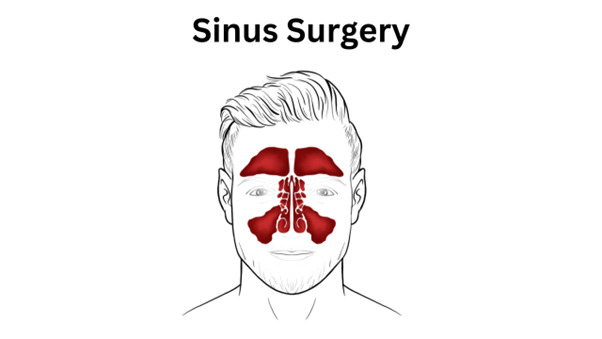

Sinus Surgery: What You Need to Know Before Seeing a Sinus Specialist

Sinus Surgery

Sinus Surgery Explained: Essential Facts Before Your Appointment with a Sinus Doctor

Sinus problems can make everyday life feel like a struggle, from constant congestion to severe headaches. For those dealing with chronic sinus issues, the idea of surgery might seem daunting but necessary. If you’ve tried medications, nasal sprays, and other treatments without success, sinus surgery could offer lasting relief. Before you head to see a sinus doctor, it’s essential to understand what sinus surgery involves, why it might be needed, and how you can prepare for it.

In this guide, we’ll walk you through everything you need to know about sinus surgery, from the types of surgery available to what to expect during recovery. Let’s dive in!

What is Sinus Surgery?

Sinus surgery is a procedure aimed at improving the drainage of the sinuses to alleviate chronic infections, congestion, or breathing problems. The sinuses are air-filled spaces in your skull behind the forehead, cheeks, and eyes. When these spaces become blocked due to inflammation, nasal polyps, or other structural issues, it can lead to persistent sinus infections.

The primary goal of sinus surgery is to open up the blocked sinus pathways, allowing mucus to drain properly. This helps to reduce the frequency and severity of sinus infections and improve overall breathing.

Why Might Someone Need Sinus Surgery?

Why Might Someone Need Sinus Surgery

Not everyone with sinus issues will require surgery. Sinus surgery is typically considered when other treatments, such as antibiotics, nasal sprays, or steroid medications, fail to provide relief.

Indications for Sinus Surgery

  1. Chronic Sinusitis: If you’ve experienced recurring or long-lasting sinus infections (typically lasting more than 12 weeks) and other treatments haven’t worked, surgery may be needed.
  2. Nasal Polyps: These are noncancerous growths in the lining of your nasal passages that can block airflow and lead to chronic infections. Removing them through surgery can restore normal breathing.
  3. Deviated Septum: This structural issue can cause one nostril to be more narrow than the other, resulting in breathing difficulties and frequent infections. Surgery to correct this can significantly improve airflow.
  4. Fungal or Bacterial Infections: In severe cases where infections spread to the bones or tissues, surgery might be required to remove infected tissue and prevent further complications.

Expected Benefits

Patients who undergo sinus surgery often report improved breathing, fewer sinus infections, and a better quality of life. The surgery can significantly reduce symptoms like facial pain, nasal congestion, and pressure headaches.

Types of Sinus Surgery

There are several types of sinus surgery available, depending on the severity of the condition and the specific issues being addressed. Each procedure has its advantages and is chosen based on your unique needs.

Functional Endoscopic Sinus Surgery (FESS)

One of the most common and minimally invasive procedures is Functional Endoscopic Sinus Surgery (FESS). This procedure uses an endoscope, a thin tube with a camera, to guide the surgeon in removing obstructions like polyps or inflamed tissue from the sinuses. Because it doesn’t require large incisions, FESS typically results in less pain and faster recovery.

This surgery is often recommended for chronic sinusitis that doesn’t respond to medications or when there are structural blockages preventing drainage.

Balloon Sinuplasty

For less severe cases of sinus blockage, Balloon Sinuplasty is an option. This non-invasive procedure uses a small balloon catheter inserted into the sinus passages. When the balloon is inflated, it gently widens the blocked sinuses, allowing mucus to drain more effectively. It’s a quick procedure with minimal discomfort and downtime, making it suitable for patients with mild-to-moderate sinusitis.

Septoplasty

Septoplasty is a surgical procedure designed to correct a deviated septum. The septum consists of cartilage and bone that separates the nasal cavity into two nostrils. When this is off-center, it can block one or both nostrils, leading to difficulty breathing and an increased risk of sinus infections. Septoplasty straightens the septum, improving airflow and reducing the chance of future infections.

Other Surgical Options

Though rare, more invasive procedures like the Caldwell-Luc operation might be required in extreme cases where there is infection deep within the maxillary sinuses. This procedure is usually a last resort for chronic infections that haven’t responded to less invasive surgeries.

How to Prepare for Sinus Surgery

If your sinus doctor has recommended surgery, there are a few steps you’ll need to take beforehand to ensure everything goes smoothly.

Consultation and Testing

Before surgery, your ENT specialist will conduct a detailed assessment, which may include imaging tests like a CT scan to get a better view of your sinuses and understand the root cause of your issues. During the consultation, the doctor will also review your medical history and discuss any potential risks or complications associated with the surgery.

Pre-Surgery Instructions

  1. Medication Adjustments: You may be advised to stop taking certain medications, especially blood thinners, before the surgery to reduce the risk of bleeding.
  2. Fasting: If you’re undergoing general anaesthesia, you’ll likely be asked to fast the night before the surgery.
  3. Post-Surgery Arrangements: Because general anaesthesia is commonly used, you’ll need someone to drive you home and assist with any post-operative care during the initial recovery period.

The Sinus Surgery Procedure: What to Expect

Balloon Sinuplasty

Sinus surgery is usually performed on an outpatient basis, meaning you can go home the same day. Here’s what you can expect during the procedure.

Anaesthesia

In most cases, sinus surgery is done under general anaesthesia, so you’ll be asleep during the procedure. In some instances, local anaesthesia may be used, where the area is numbed, but you remain awake.

Surgical Steps

  1. Endoscope Insertion (For FESS): A small endoscope is inserted through the nostrils to view the sinuses. The surgeon then removes any blockages or tissue causing the problem.
  2. Balloon Inflation (For Balloon Sinuplasty): In Balloon Sinuplasty, a small balloon catheter is placed into the blocked sinus, inflated to widen the passage, and then removed.
  3. Duration: Sinus surgery typically takes 1 to 3 hours, depending on the complexity of the procedure.

Post-Surgery

After the surgery, you’ll be monitored for a short time to ensure you’re recovering from the anaesthesia. You may experience some nasal congestion, minor bleeding, or discomfort for a few days, but this is normal.

Risks and Complications of Sinus Surgery

While sinus surgery is generally safe, like any surgery, it carries some risks.

Common Risks

  1. Infection: As with any surgery, there’s a small risk of infection after the procedure.
  2. Bleeding: Some bleeding is normal after sinus surgery, but excessive bleeding is rare.
  3. Scarring: Although minimal, there is always a risk of scarring in the nasal passages.

Rare Complications

In rare cases, complications may include injury to the surrounding structures such as the eyes or brain. This could result in temporary or permanent loss of smell, vision problems, or, very rarely, brain fluid leakage. These risks are extremely low and usually associated with more invasive surgeries.

Recovery and Post-Surgery Care

The recovery process after sinus surgery is straightforward but requires care to ensure proper healing.

Initial Recovery

In the days following surgery, you’ll need to rest and avoid strenuous activity. Keeping your head elevated will help reduce swelling, and your doctor may provide saline sprays to keep your nasal passages moist. You might also be given nasal packing or dressings to help control bleeding.

Long-Term Care

It’s crucial to follow your doctor’s instructions during recovery. Avoid blowing your nose or doing anything that could increase pressure in the sinuses. Most people can return to normal activities within a week or two, but it’s essential to attend follow-up visits to ensure proper healing.

Conclusion

Sinus surgery can be a life-changing option for those struggling with chronic sinus issues. With various surgical options available, from minimally invasive procedures like FESS and Balloon Sinuplasty to more traditional surgeries, a sinus doctor can help determine the best course of action based on your specific needs. By understanding the types of surgery, the preparation involved, and the recovery process, you can approach sinus surgery with confidence and look forward to breathing easier and enjoying a better quality of life.

If you’re considering sinus surgery, don’t hesitate to consult a sinusitis specialist to discuss your symptoms and explore the best treatment options available.

ENT Clinic Singapore: What Services Do ENT Specialists Provide?

Ent Clinic Singapore

What Services Do ENT Specialists Provide in Singapore?

If you’ve ever suffered from blocked ears, a persistent sore throat, or recurring sinus problems, you’re not alone. Ear, nose, and throat (ENT) conditions are common and can greatly affect quality of life. At Ear Clinic Singapore you can access to comprehensive care for a wide range of conditions, guided by specialists with years of focused training. But what exactly does an ENT specialist do? 

In this article, we’ll walk you through the scope of ENT care, what services are available, and when it’s time to seek help from an ENT specialist in Singapore.

The Role of an ENT Specialist

Understanding ENT Care

ENT specialists, also known as otorhinolaryngologists, are doctors trained to diagnose and manage medical and surgical conditions of the ear, nose, throat, head, and neck. Their expertise spans from simple infections to complex surgeries involving delicate structures.

In Singapore, ENT clinics offer both adult and paediatric services, so care is truly inclusive. Many patients are surprised to discover the variety of conditions an ENT specialist Singapore can treat—far beyond the occasional sore throat or blocked nose.

Why ENT Care Matters

The ear, nose, and throat are interconnected, and problems in one area can easily affect another. For instance, chronic sinus issues might cause ear pain, while persistent nasal allergies can lead to throat discomfort. By seeing an ENT specialist, you ensure a holistic approach to your symptoms, rather than fragmented treatment.

Scope of ENT Services in Singapore

Overview of ENT Conditions

At any reputable ENT clinic in Singapore, services broadly cover issues involving hearing, breathing, voice, swallowing, sleep, and even the thyroid gland. The expertise of ENT doctors extends to both non-surgical and surgical solutions, ensuring patients have access to the full spectrum of care.

Key Areas Treated

The scope of ENT services can be grouped into four main areas: the ear, the nose and sinuses, the throat and voice, and the head and neck. Let’s break down what each of these entails.

Core ENT Services

Core ENT Services

Ear Services

ENT specialists play a crucial role in diagnosing and managing ear problems. Common conditions include hearing loss, middle and outer ear infections, and persistent ringing in the ears (tinnitus). Vertigo and balance disorders are also assessed, often using specialised equipment to evaluate inner ear function.

Removal of impacted earwax, which can cause discomfort and even hearing loss, is performed safely in the clinic. Foreign bodies—especially in young children—are another issue managed expertly by ENT doctors.

When necessary, surgical procedures such as grommet insertion (to treat recurrent ear infections) or tympanoplasty (to repair the eardrum) are offered. Every intervention is tailored to the patient’s specific needs.

Nose and Sinus Services

The nose is responsible for much more than breathing—it also plays a key role in filtering air and our sense of smell. Many Singaporeans visit an ENT clinic for allergic rhinitis, a common condition that causes sneezing, nasal congestion, and runny nose.

Sinusitis, whether acute or chronic, is another frequent complaint. ENT specialists use nasal endoscopy and imaging, such as CT scans, to accurately diagnose sinus problems. Treatment may involve medication, nasal sprays, or if conservative measures fail, procedures such as endoscopic sinus surgery.

Other services include the management of nasal polyps, septal deviation, and breathing difficulties related to structural problems in the nose. Functional and reconstructive rhinoplasty may be advised for both cosmetic and medical reasons.

Throat and Voice Services

Throat issues can range from the simple to the severe. At the ENT clinic, doctors evaluate persistent sore throats, chronic tonsillitis, swallowing difficulties, and unexplained changes in the voice.

Special attention is given to those who rely on their voices professionally—teachers, singers, and public speakers, for instance. Hoarseness, vocal fatigue, and even complete loss of voice are assessed with tools such as laryngeal endoscopy.

Voice therapy, in collaboration with speech-language therapists, may be recommended for voice strain or functional problems. When required, ENT specialists also offer surgical solutions for issues like vocal cord nodules or polyps.

Head and Neck Services

The head and neck area is complex and houses vital structures. ENT specialists are trained to assess and manage neck lumps, which can arise from lymph nodes, salivary glands, or the thyroid gland. Accurate diagnosis is achieved through a combination of clinical examination, imaging, and sometimes fine-needle aspiration biopsy.

Management of thyroid and salivary gland disorders often involves long-term follow-up and, if needed, surgical intervention. Another key service at an ENT clinic is the evaluation and management of sleep apnoea and snoring, which are increasingly common. ENT specialists can perform assessments, arrange sleep studies, and recommend surgical or non-surgical treatments to improve sleep quality.

Paediatric ENT Care

Specialised Services for Children

Children present with their own set of ENT challenges. Common issues include glue ear (fluid in the middle ear), adenoid infections, and breathing difficulties due to enlarged adenoids or tonsils.

ENT specialists are skilled in both diagnosing and treating these paediatric conditions, using age-appropriate techniques and a gentle approach. Hearing assessments, removal of nasal or ear foreign bodies, and minor surgical procedures are routinely provided for young patients.

Parents are guided through each step of the evaluation and treatment process, with a strong emphasis on education and preventive care to support long-term health.

What to Expect at Your ENT Visit

The Consultation Process

A visit to your local ENT clinic begins with a detailed review of your symptoms and medical history. The consultation is symptom-led, meaning the ENT specialist focuses closely on your specific concerns.

Physical examination includes inspection of the ears, nose, and throat using lighted instruments. Additional tests such as nasal endoscopy, hearing assessments, or imaging may be carried out during the same visit for a more precise diagnosis.

Tailored Treatment Planning

After assessment, your ENT specialist will discuss the findings and outline the most suitable management options. These may include medications, minor procedures, or advice on lifestyle modifications. If surgery is recommended, the process and expected outcomes are clearly explained, ensuring you have all the information needed to make informed decisions.

When to See an ENT Specialist

When to See an ENT Specialist

Red Flags and Common Scenarios

Not all ENT issues require immediate specialist attention, but there are certain symptoms you should never ignore. These include persistent ear pain or discharge, hearing loss that does not improve, ongoing nasal obstruction, recurrent sinus infections, unexplained hoarseness lasting more than three weeks, difficulty swallowing, or the appearance of a neck lump.

Anyone experiencing sleep problems with loud snoring or breathing pauses should also consider a consultation. Early intervention by an ENT specialist can make a significant difference in health outcomes and prevent complications.

The Value of Personalised ENT Care

Benefits of Early Specialist Intervention

Timely care from an experienced ENT specialist allows for precise diagnosis and effective management. Early intervention often means better outcomes, less time lost to illness, and improved quality of life.

A good ENT clinic focuses on individualised care, guiding patients from diagnosis through to recovery and long-term prevention. Patient education is a core aspect of ENT practice, equipping you with the knowledge and tools to manage your health proactively.

Conclusion

Whether you’re struggling with recurring ear infections, persistent sinus trouble, voice changes, or concerns about your child’s hearing, an ENT specialist in Singapore provides expert evaluation and tailored solutions. The wide range of services offered—from medical management to advanced surgical procedures—ensures that patients receive comprehensive care for every stage of life.

If you have troubling symptoms or simply want peace of mind, don’t hesitate to reach out to your local ENT clinic. With professional guidance, you can take confident steps towards better ear, nose, and throat health.